Towers at the Edge, Decay at the Centre – Is Newham Losing its Soul?
Newham faces a crisis of identity: gleaming towers rise at the edges while historic centres decay. As residents feel "left behind," fuelling Reform UK nationally, Labour faces a fierce local challenge from the Newham Independents. With community funds like People Powered Places under threat, the fight for local voices is critical.
12/15/20252 min read
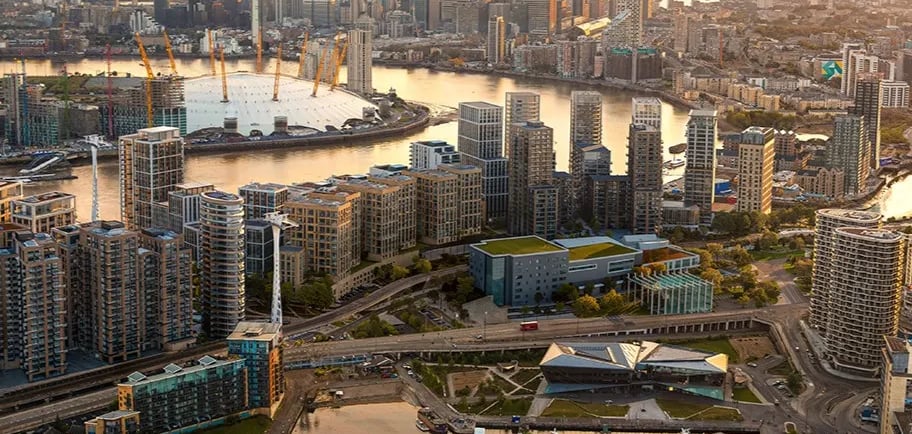
Walk around Stratford or the Royal Docks today and one sees a Newham that is unrecognisable from a decade ago. Shiny glass towers are shooting up at the borough’s peripheries, transforming the skyline into something that looks fantastic on a foreign investor's brochure but feels alien to the families who have lived here for generations. While billions pour into the regeneration of Silvertown and Canning Town, the historic hearts of the borough—places like Green Street and East Ham High Street—feel increasingly neglected. It is a tale of two boroughs: one for the new, affluent arrivals, and another for the long-standing residents who are being squeezed out by rising rents and a sense of invisibility.
This feeling of being "left behind" isn't just a local grumble; it is a national crisis. One only has to look at the rise of Reform UK to see the consequences of ignoring the working class. While their politics might be divisive, they are tapping into a raw vein of anger among those who feel the establishment has stopped listening. When people feel forgotten, they look for anyone who promises to shake the table.
However, locally, the biggest headache for the dominant Labour administration isn't coming from the right—it is coming from within the community itself. The Newham Independents are gaining serious ground, capitalising on a feeling that the Town Hall takes its core vote for granted. By effectively weaponising communal politics, they have turned safe seats into battlegrounds. Labour will surely lose seats and faces a brutal mayoral contest in May 2026. They can no longer rely on unwavering loyalty when they are overseeing the dismantling of the very things that empower residents.
A prime example of this disconnect is the fate of the People Powered Places programme. For a brief moment, this initiative offered a beacon of hope—real money put into the hands of residents to improve their own streets and grow community infrastructure. It was democracy in action. Yet, the recent threats to cut these funds due to "budget pressures" come as a bitter blow. It suggests that when the books don't balance, resident empowerment is the first thing on the chopping block.
The people of Newham deserve better than to be an afterthought in their own home. If the powers that be want to survive the next election, they need to stop looking at the skyline and start listening to the streets.